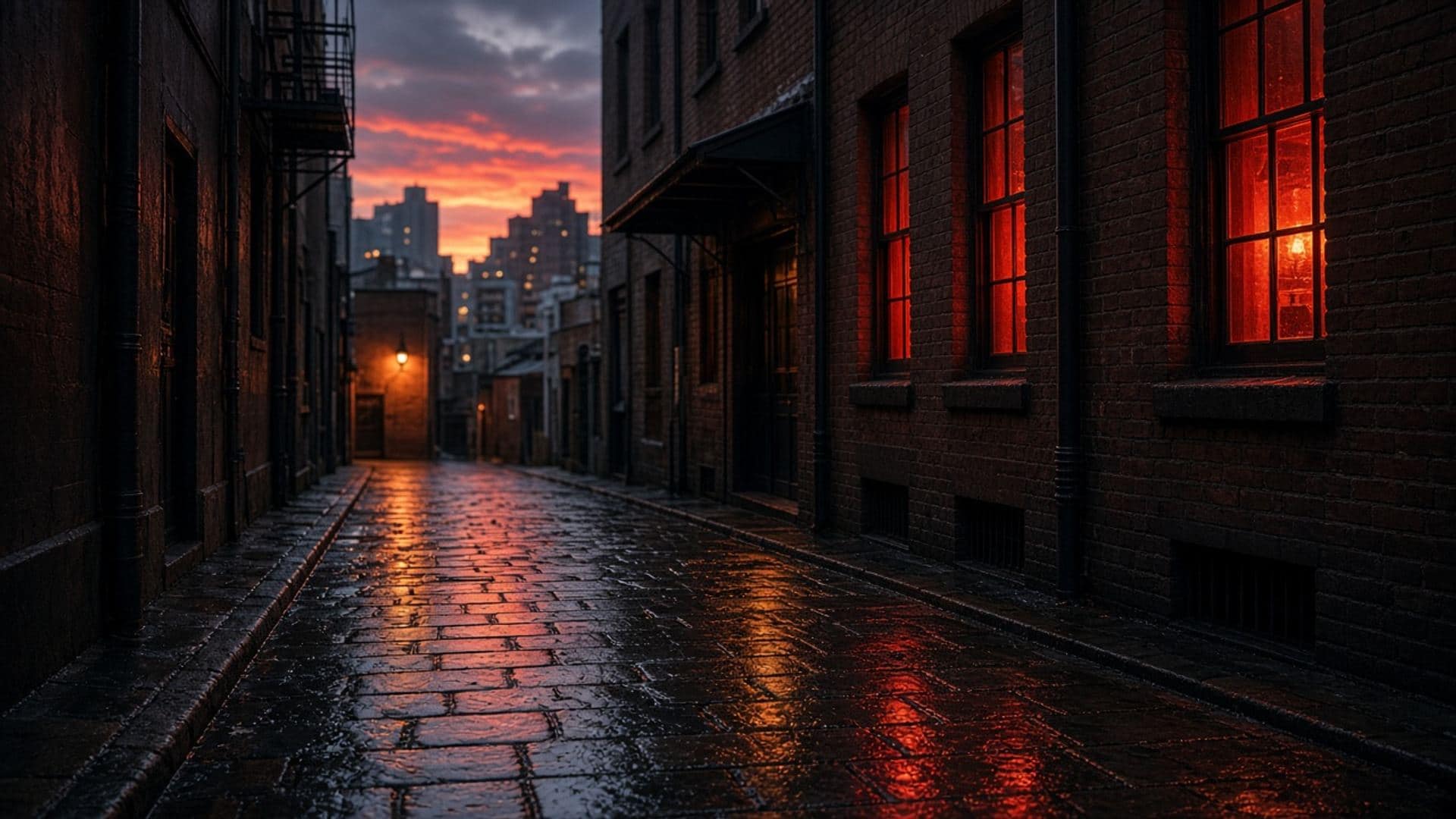
Use this hub for the Hoddle Grid: lunch rooms, laneways, pre-theatre tables and late noodles. Chinatown sits inside this map; it is not the whole map.
Precincts
The CBD is a work city that happens to contain Australia’s best-known Chinese street. That double life shapes the food. At noon the useful rooms are the ones that can turn a roast-meat plate or a soup noodle before a meeting. At six they are the ones that can feed a theatre booking without treating the table as a banquet. At nine they are the ones still willing to fire a wok.
Little Bourke Street is covered in the Chinatown guide. Use this hub for the rest of the rectangle: Swanston’s through-traffic, the east end toward Parliament and the hotels, the west toward the markets and the station, and the laneways that never appear on a lantern postcard.
A laneway kitchen is not automatically better than a street-front one. It is often louder, smaller, and less suited to a lazy Susan. It can also be the right place for two people and one pot of dumplings. Match the room to the table size.
Produce and the pantry
CBD kitchens live on daily deliveries, not on a backyard. Whole fish still appears when the market run is good. Greens can be excellent at lunch and tired at 9pm. If you care about the vegetable plate, look at it on the way in. The CBD recipe note is about cooking after you get home to a small apartment kitchen, not about foraging in the grid.
Rhythm of the week
Pre-theatre is a real constraint. If the curtain is at 7:30, you want a room that understands a 90-minute table, not a twelve-course set. Say the time when you book — and book with the venue, not with this site. Lunch peaks between about noon and 1:30 on weekdays. Sunday in Chinatown is a different city.
How to choose a room here
Use the same tests as the rest of the site, tuned to this city’s scale.
- Region: does the menu have a centre of gravity, or is it an atlas?
- Wok: is there heat, steam and a vegetable that still has snap?
- Table: can the room actually seat your group, or are you pretending a two-top is a banquet?
- Honesty: does the floor answer an allergen or chili question in a way you believe?
The companion reviews page stretches those tests. The recipes page takes them home.
What we will not do
We will not invent a “best in Melbourne CBD” list. We will not quote a price. We do not keep a live list of rooms. If you need a table, phone a room. If you need a correction to this precinct note, use contact.
Related reading
For yum cha mechanics, use the food guide. For celebration sequence, use the banquet guide. For the difference between Cantonese and Sichuan, use the regional essay. Then come back to this city’s streets.
Walk. The grid is the point. A tram can drop you on Swanston; the rest is bluestone and extract fans.
Stations, theatres, and the ten-minute walk
Most CBD Chinese meals start from a station or a hotel. Ten minutes on foot will take you through Chinatown and out the other side. Decide before you leave the platform whether you want a lantern street or a quieter grid room. Walking without a decision is how you end up in the first empty tourist menu.
Theatre and concert nights compress the east of the grid. Say your curtain time. A kitchen that cannot hear that sentence is the wrong kitchen for the evening.
Downstairs rooms
A lot of CBD Chinese dining is a level below the street. That can mean better extraction and a serious wok line. It can also mean you cannot judge the room until you are already on the stairs. Send one person down. Look at the tables. Then commit.
Weekend versus weekday
The weekday CBD is an office machine. The weekend CBD is tourists, sport and people who came in for Chinatown. Menus do not always change; pacing does. A Saturday lunch can feel like a suburban Sunday. A Tuesday 12:10pm will not.
Laneways that are not Chinatown
The grid is full of extract fans that are not on Little Bourke. A good lunch can sit on a street you came to for something else. That is the CBD’s advantage: density. It is also how people walk past a serious roast-meat window to sit in the first room with an English sandwich-board. Look up. Smell the street. Then decide.