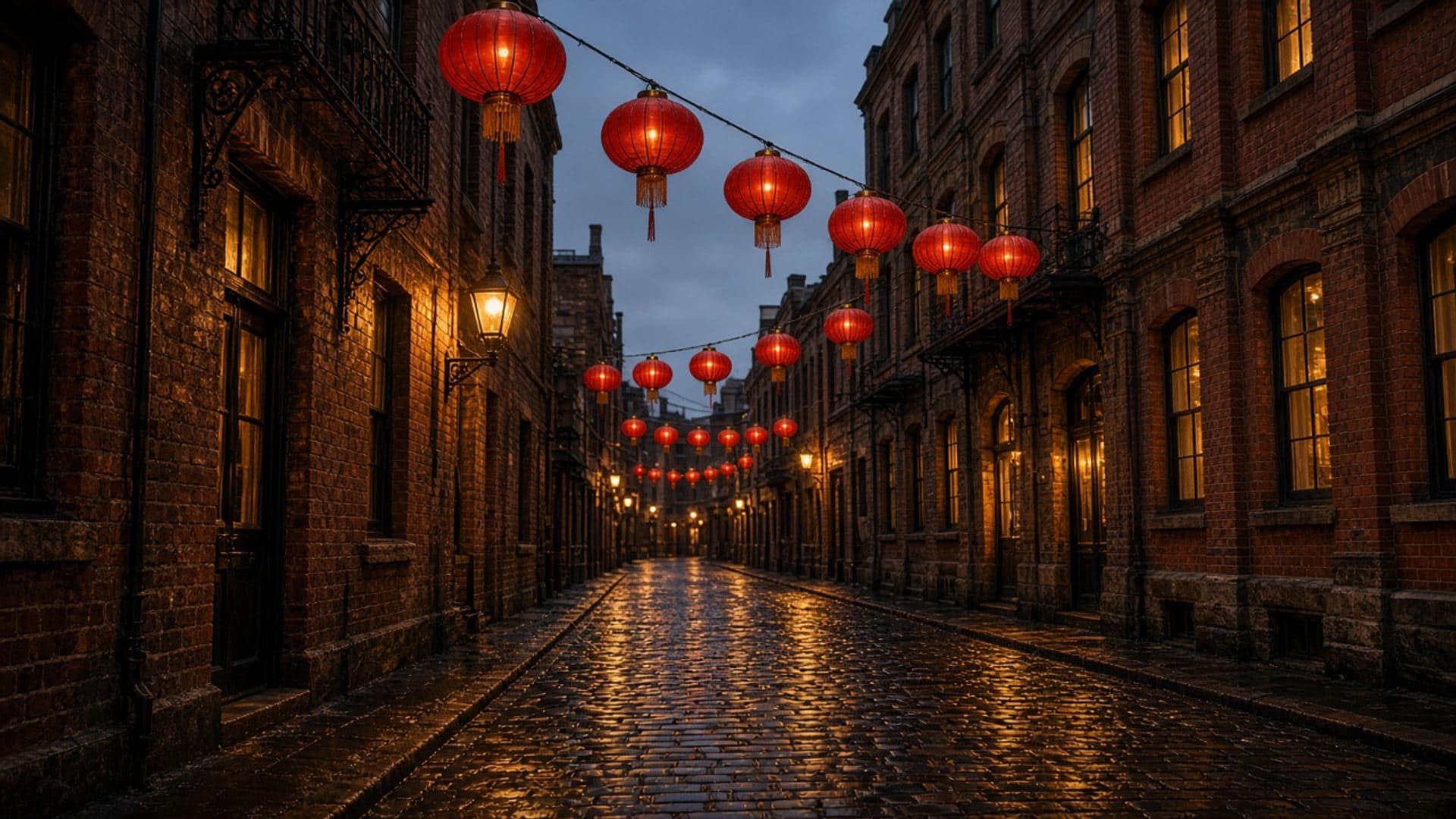
Use this hub to place Chinese dining on Melbourne streets — Chinatown, the east, the south-east and the grid — without a ranked list.
Precincts
Melbourne is the deepest Chinese dining city on this site because the public history is longest. Start with two layers. The first is civic and walkable: Chinatown on Little Bourke Street, the Museum of Chinese Australian History on Cohen Place, the theatre end of the CBD. The second is suburban and everyday: the eastern and south-eastern centres where a lot of family banquet trade and regional cooking actually lives.
Box Hill and the Whitehorse corridor are the names most Melburnians already use for a suburban Chinese night. Springvale and the south-east carry another density, with Vietnamese-Chinese and mixed South-East Asian streets beside more specific Chinese rooms. Glen Waverley and surrounding centres hold family restaurants that are built for round tables and parking. Richmond, the inner north and the western suburbs each have rooms; they are not a second Chinatown and should not be sold as one.
None of those names is a promise that a particular shopfront is open. They are precincts. Walk them the way you would walk a market.
Produce and the pantry
Port Phillip seafood, Victorian mushrooms, winter greens and stone fruit all show up in Chinese kitchens here. The city’s advantage is range: you can buy gai lan, bitter melon, tofu skins and chili-bean paste without a specialist trip in many suburbs, and you can still find a fishmonger who will scale a whole snapper for steaming. The recipes note starts there.
Rhythm of the week
Sunday yum cha is a Melbourne habit as much as a Cantonese one. Weekday lunches in the grid are faster and more roast-meat and noodle. Saturday banquets fill suburban rooms that look quiet at 5pm and deafening at 7. Late kitchens still cluster closer to the city and to student strips. If you are planning a speech, a cake and twenty-four people, read the banquet guide before you phone anyone.
How to choose a room here
Use the same tests as the rest of the site, tuned to this city’s scale.
- Region: does the menu have a centre of gravity, or is it an atlas?
- Wok: is there heat, steam and a vegetable that still has snap?
- Table: can the room actually seat your group, or are you pretending a two-top is a banquet?
- Honesty: does the floor answer an allergen or chili question in a way you believe?
The companion reviews page stretches those tests. The recipes page takes them home.
What we will not do
We will not invent a “best in Melbourne” list. We will not quote a price. We do not keep a live list of rooms. If you need a table, phone a room. If you need a correction to this precinct note, use contact.
Related reading
For yum cha mechanics, use the food guide. For celebration sequence, use the banquet guide. For the difference between Cantonese and Sichuan, use the regional essay. Then come back to this city’s streets.
Melbourne also carries the strongest Australian-Chinese snack memory on this map. The dim sim — a large, pork-and-cabbage dumpling sold in milk bars and football queues as well as in dining rooms — is a local form. You do not have to like it. You should know it is not a failed har gow. It has its own shape, crumb or pastry arguments, and a different soy habit.
Inner north, west, and the river
The east and south-east get the headlines because the density is obvious. The inner north and the west still cook. Look along ordinary shopping streets, not only the named precincts. A good room in those corridors is often a neighbourhood habit: the same families, the same banquet calendar, less performance for visitors.
The Yarra does not organise Chinese dining the way it organises other Melbourne myths. Use trams and parking as your actual map. If the table is in the CBD, stay in the CBD hub. If the table is a Sunday family, you are more often leaving the grid.
Students, late bowls, and the non-banquet city
Melbourne’s student strips keep noodle and rice-plate rooms alive at hours a suburban banquet kitchen has already cleaned down. That is a different quality test: speed, broth, whether the chili oil tastes like it was made this week. It is still Chinese restaurant dining. It does not need a lazy Susan to count.
Reading a Melbourne specials board
A board that changes with the fish market is a good sign. A board that is a printed list of “chef’s suggestions” from another decade is not. Melbourne has enough produce to justify a short, moving list. Ask what came in. If the answer is only “the sizzling something”, you have learned what you need.